
Radiance Over Alteration: The Truth About Brightening vs Whitening
The beauty industry often uses the terms brightening and whitening interchangeably, but they do not necessarily mean the same thing. Understanding the difference between brightening vs whitening can help you make safer, more informed choices about your skincare routine.
Skin brightening generally focuses on improving the appearance of dullness, dark spots, and uneven skin tone while supporting a healthy-looking complexion. Skin whitening, on the other hand, is often associated with attempts to make the natural skin tone lighter by reducing melanin production. This distinction matters because some whitening products may contain harsh or unsafe ingredients that can damage the skin when misused.
In this article, we explore brightening vs whitening, how each approach works, the ingredients commonly used in these products, potential risks, and safer ways to achieve a more even and radiant complexion without trying to alter your natural skin tone.
What “Brightening” Really Means
Brightening is not about changing your skin color. It’s about restoring your skin to its best, healthiest version.
Think of it like cleaning a window. The glass doesn’t change—it simply becomes clearer, letting the light shine through.
Brightening products work by:
- Reducing dullness
- Removing dead skin
- Facilitating the production of Collagen
- Fading dark spots and hyperpigmentation
- Smoothing uneven skin tone
- Enhancing natural glow
Some of the usual ingredients are:
- CeraVe Renewing Vitamin C Serum (Brightens dull skin, Boosts collagen production and Antioxidant)
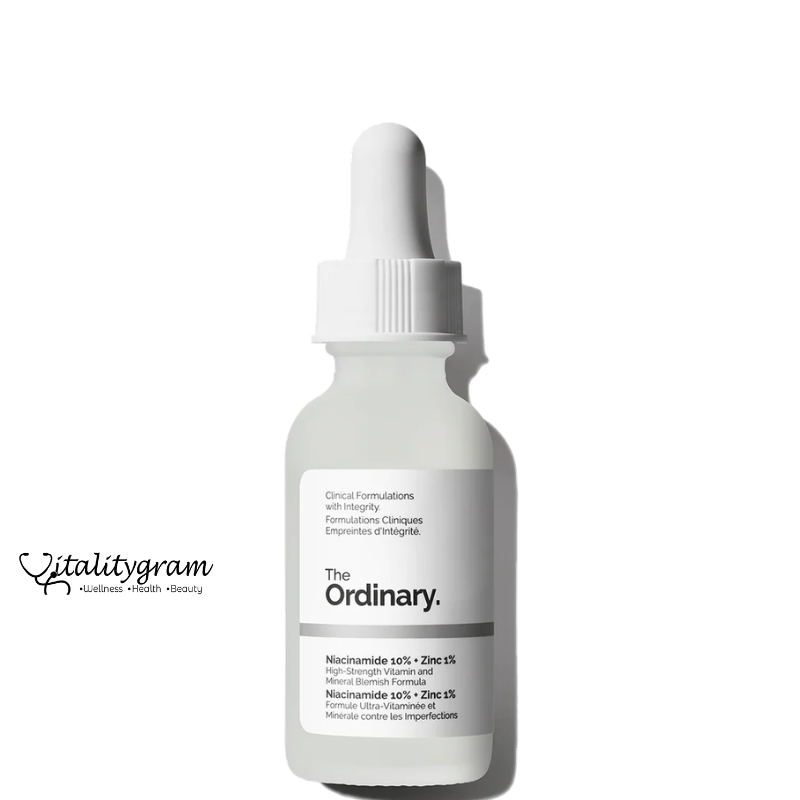
- the ordinary niacinamide (Improves tone and texture)
- AHAs like glycolic (Gentle exfoliants)
- Liquorice extract and Arbutin (Gently reduces Hyperpigmentation)
What “Whitening” Implies
“Whitening” traditionally suggests lightening the natural skin tone, often beyond its original shade
In many cases, products labeled this way may:
- Focus on suppressing melanin production aggressively
- Promise fast, dramatic color change
- Carry higher risks if misused or unregulated
Beyond the science, there’s also a shift in mindset. Today’s skincare user is more informed and more confident. The desire is no longer to change identity, but to refine appearance.
Why the Shift Matters
The move from whitening to brightening is more than just marketing—it reflects a deeper evolution in how people see beauty.
Modern consumers want:
- Healthy, glowing skin
- Safe, skin-friendly formulations
- Long-term results, not quick fixes
- Confidence that comes from care, not alteration
In short, the goal is no longer lighter skin—it’s better skin
Some whitening products may:
- Contain harsh or unsafe ingredients
- Thin or damage the skin over time
- Increase sensitivity to sunlight
- Lead to long-term skin health issues
Result: Temporary lightening, often at the cost of your skin’s strength and safety.
Common Ingredients Used in Whitening Products
These are the heavy hitters, often where risks begin:
- Hydroquinone
- The most powerful and widely used lightening agent
- Directly blocks melanin production
- Can cause skin damage if overused (like darkening or thickening of skin)
- Topical corticosteroids (steroids)
- Reduce inflammation but also lighten skin over time
- Long-term use can thin the skin and cause stretch marks
- Mercury (dangerous & banned in many places)
- Blocks melanin formation
- Highly toxic and linked to kidney and nerve damage
Where Vitalitygram Stands
At Vitalitygram, we align with products that promote:
- Hydration and skin barrier support
- Even tone and smooth texture
- Natural radiance and glow
For example, lotions like eos Shea Better 24H Moisture range focus on deep nourishment and visible glow, not harsh alteration. They work with your skin, not against it.
he Bottom Line
“Whitening” tries to rewrite your skin.
“Brightening” helps your skin tell a better story.
And that story?
It’s one of glow, confidence, and health.
Final Thought
Your skin is not a problem to be fixed—it’s an asset to be cared for.
Choose radiance. Choose balance. Choose products that respect your skin’s natural identity.
Vitalitygram — where healthy skin meets confident living.