

What Happens to Your Body When You Exercise for 1 Day, 1 Week, 1 Month and 1 Year?

You probably know that exercise is good for you. But have you ever wondered what actually happens inside your body when you exercise regularly?
The changes begin much sooner than many people realize.
Your body responds to physical activity from the first workout. Your heart rate increases, your muscles demand more energy, blood flow changes, and your muscles increase their uptake of glucose. Some benefits, including improvements in mood, insulin sensitivity and sleep, can occur relatively quickly. Other changes, such as improved cardiovascular fitness, increased muscular strength and sustained reductions in blood pressure, generally require weeks or months of regular activity.
Over time, repeated exercise gives your body the opportunity to adapt.
One workout is a stimulus. Repeated workouts become an adaptation.
So, what happens after 1 day, 1 week, 1 month and 1 year?
Let’s follow the journey.
What Happens After 1 Day of Exercise?
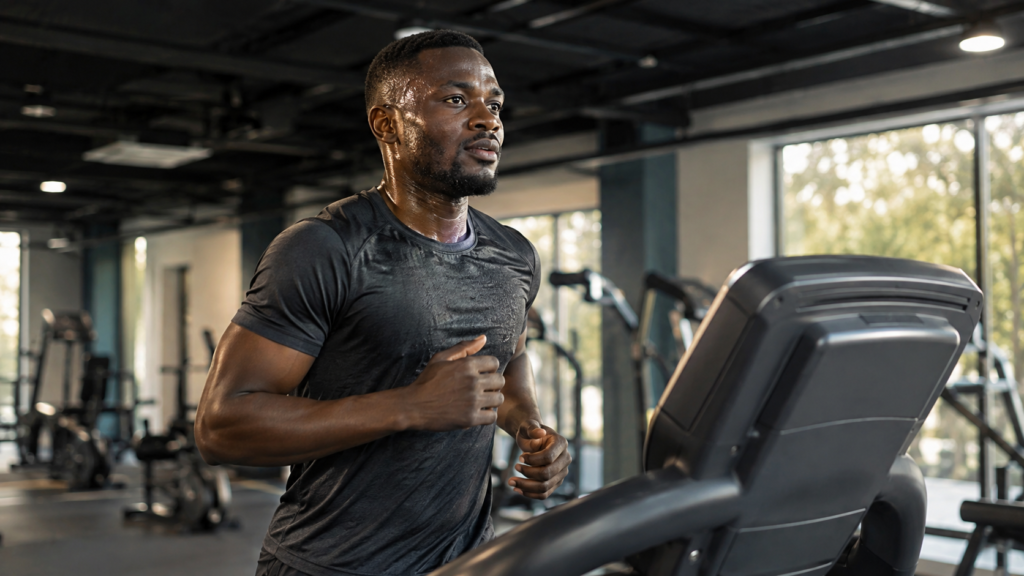
You don’t have to exercise for months before your body responds.
The moment you begin exercising, your body starts adjusting to the increased demand.
Your heart starts working harder
During exercise, your muscles need more oxygen and nutrients. To meet this demand, your heart beats faster and pumps more blood around the body.
Your breathing also becomes faster and deeper as your body increases oxygen delivery and removes carbon dioxide produced during metabolism.
These are normal acute responses to exercise.
Your muscles start using more energy
Muscle contraction requires energy in the form of adenosine triphosphate, commonly known as ATP.
During exercise, your muscles increase their energy demands and draw on several fuel sources, including glucose and stored glycogen, as well as fat depending on exercise intensity and duration.
Your muscles also increase glucose uptake during physical activity. This is one reason exercise is an important part of maintaining healthy blood glucose regulation.
Your insulin sensitivity can improve
One of the interesting effects of physical activity is that working muscles can increase glucose uptake through mechanisms that are not completely dependent on insulin.
As a result, insulin sensitivity can improve after physical activity, although the size and duration of the effect vary according to factors such as exercise type, intensity, fitness level and metabolic health.
This is particularly relevant to people trying to maintain healthy blood sugar levels.
Your mood may change
Exercise isn’t only a physical event.
Physical activity can influence brain function and is associated with reduced feelings of anxiety and improved psychological well-being. Some mental-health benefits can occur after individual sessions, although longer-term improvements generally require repeated activity.
You may finish a workout feeling calmer, more alert or simply better than when you started.
You may sleep better
Physical activity can also have effects on sleep. Evidence summarized in the U.S. Physical Activity Guidelines indicates that some benefits to sleep can occur immediately, while other benefits become more established with continued physical activity.
However, exercise isn’t a magic sleeping pill. Timing, exercise intensity, caffeine, stress and your existing sleep habits all matter.
You may also feel sore
If you’re new to exercise, your muscles may complain the next day.
Delayed-onset muscle soreness, or DOMS, can occur after unfamiliar or strenuous exercise. It commonly becomes noticeable several hours after exercise and may peak around 24 to 72 hours later.
Soreness is not a requirement for a workout to be effective.
In fact, trying to make yourself extremely sore after every session is not a sensible measure of progress.
What Happens After 1 Week of Exercise?
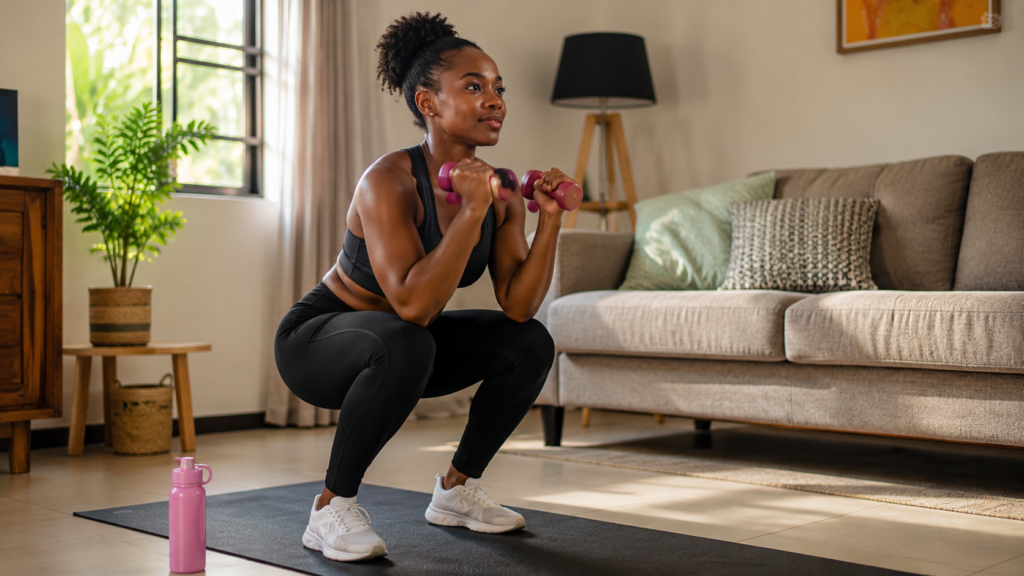
After a week, the most important change may not be visible in the mirror.
It may be happening in your nervous system and your habits.
If you’ve exercised several times during the week, your body has already been exposed to repeated physical demands.
Movement can start feeling more coordinated
When you begin a new exercise, your body has to learn how to perform it efficiently.
Your brain and nervous system coordinate muscle activation, balance and movement. With repeated practice, these processes can become more efficient.
This is one reason beginners can sometimes become noticeably stronger or better at an exercise before they develop large increases in muscle size.
You may notice small improvements in endurance
You may find that walking up stairs, taking a brisk walk or completing your workout feels slightly easier.
Don’t expect a dramatic transformation after seven days.
But small changes in how your body handles physical activity can be an encouraging sign that you’re moving in the right direction.
Your biggest achievement may be consistency
There is another adaptation that doesn’t show up on a blood test:
You are beginning to build a routine.
A person who exercises once perfectly has completed one workout.
A person who exercises consistently has created a behavior.
That distinction becomes extremely important over months and years.
What Happens After 1 Month of Exercise?
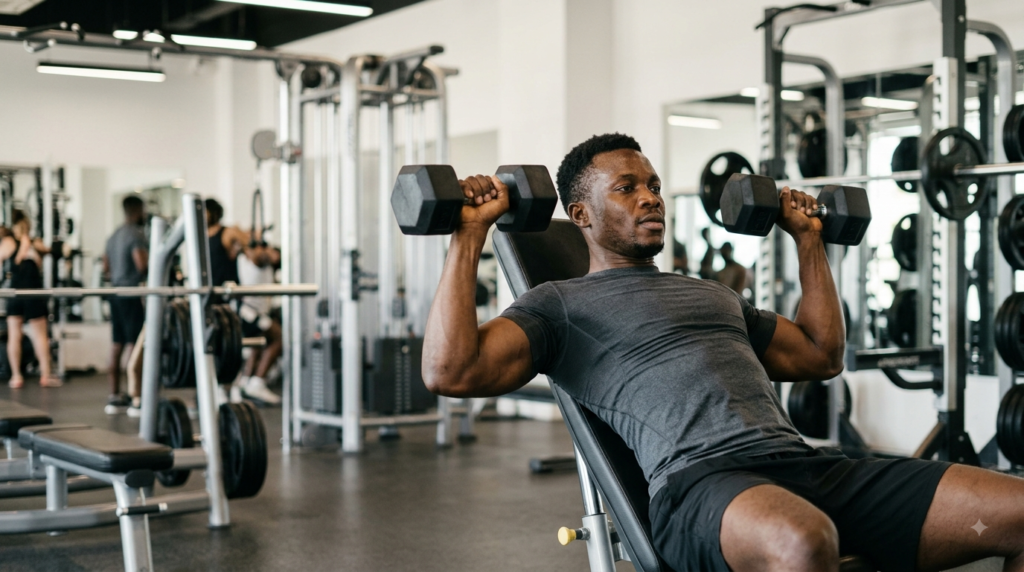
This is where changes can become easier to notice.
Exactly what happens depends on your starting fitness level, age, genetics, exercise program, nutrition, sleep and how consistently you train.
But after several weeks of regular activity, improvements in fitness can begin to become apparent.
Your cardiovascular fitness can improve
Regular aerobic exercise challenges your cardiovascular and respiratory systems.
Over time, your body becomes better at performing sustained physical activity.
You may notice that:
- You can walk or run farther.
- You recover faster after exertion.
- Stairs become easier.
- You can exercise for longer.
- Your breathing feels more controlled during familiar activities.
The U.S. Physical Activity Guidelines note that increases in cardiorespiratory fitness generally require weeks or months of physical activity rather than occurring from a single workout.
Your muscles can become stronger
If your routine includes resistance training, your muscles are repeatedly exposed to a stimulus that can promote strength and muscular adaptation.
Early strength improvements can come substantially from improved neuromuscular coordination. With continued progressive training, changes in muscle size and other muscular adaptations can develop.
This is why progressive resistance training matters.
Simply repeating exactly the same workout forever may eventually provide less stimulus for further improvement.
Everyday activities may become easier
One of the best signs that exercise is working isn’t necessarily what you see in the gym.
It’s what happens outside the gym.
Carrying groceries.
Walking to work.
Climbing stairs.
Playing with children.
Standing for longer.
Walking uphill.
These activities can become easier as your physical capacity improves.
Your mood and sleep may benefit
Regular physical activity is associated with better mental well-being and can reduce symptoms of anxiety and depression. It can also improve sleep and overall quality of life.
This doesn’t mean exercise replaces professional treatment for mental-health conditions.
Rather, physical activity can be one useful component of a broader approach to health.
Your body composition may begin to change
If you consistently exercise while eating in a way that supports your goals, you may gradually change your body composition.
Depending on your training and nutrition, this could involve:
- Increased muscle mass
- Reduced body fat
- Improved muscle definition
- Changes in waist circumference
- Improved physical performance
However, the scale does not tell the entire story.
Two people can weigh the same while having very different amounts of muscle and body fat.
And exercise does not guarantee weight loss. Nutrition, energy intake, sleep, medications, genetics and other factors influence body weight.
What Happens After 1 Year of Regular Exercise?

Now we reach the point where the small decisions begin to add up.
A year of consistent exercise can represent hundreds of workouts.
The body has had far more opportunities to adapt, provided the training has been appropriate and recovery has been adequate.
Your cardiovascular system can become significantly fitter
Regular physical activity improves cardiorespiratory fitness and contributes to cardiovascular health.
Long-term physical activity is associated with lower risks of cardiovascular disease, stroke and high blood pressure.
This doesn’t mean exercise makes someone immune to heart disease.
It means regular physical activity is one of the important behaviors associated with a healthier cardiovascular profile.
Your muscles and bones benefit
Resistance and weight-bearing activities can help maintain or improve muscular fitness and support bone health.
This becomes increasingly important as people age because maintaining strength and physical function helps support independence.
For older adults, physical activity that includes balance and functional training is particularly important for reducing fall risk.
Your metabolic health can improve
Regular physical activity contributes to better metabolic health and can help prevent and manage conditions such as type 2 diabetes.
Exercise improves the body’s ability to use glucose and can improve insulin sensitivity.
For people living with diabetes or other chronic conditions, exercise plans may need to be individualized.
Your mental health can benefit
The psychological benefits of physical activity aren’t limited to the first few workouts.
Regular physical activity is associated with reduced symptoms of depression and anxiety, improved cognitive health and better overall well-being.
Exercise therefore isn’t simply about building a better-looking body.
It can also help support a healthier brain.
Your risk of several chronic diseases can decrease
Regular physical activity is associated with lower risk of several major chronic diseases.
According to the Physical Activity Guidelines for Americans, physical activity can reduce the risk of cardiovascular disease, stroke, hypertension, type 2 diabetes and several cancers, among other health benefits.
WHO likewise identifies physical activity as an important tool for preventing and managing cardiovascular disease, diabetes and cancer.
This is one of the biggest reasons to think about exercise as a long-term health behavior rather than simply a weight-loss strategy.
The Exercise Timeline at a Glance
Here’s the journey in simple terms:
🏃 1 Day
Your body responds.
- Heart rate increases
- Breathing increases
- Muscles use more energy
- Glucose uptake by muscles increases
- Insulin sensitivity can temporarily improve
- Mood and anxiety may improve
- Sleep may benefit
- Muscle soreness may occur after unfamiliar exercise
🚶 1 Week
Your body begins learning.
- Movement coordination can improve
- Exercise may start feeling slightly easier
- Your nervous system becomes more familiar with the movements
- You’re beginning to establish a routine
💪 1 Month
Adaptations become more noticeable.
- Cardiovascular fitness can improve
- Muscular strength and endurance can improve
- Recovery from familiar exercise can improve
- Everyday activities may feel easier
- Sleep and mood may improve
- Body composition may begin changing depending on training and nutrition
🏆 1 Year
Consistency becomes health capital.
- Greater cardiovascular fitness
- Greater muscular fitness
- Improved physical function
- Better metabolic health
- Support for bone health
- Lower long-term risk of several chronic diseases
- Improved mental well-being
- Potential improvements in body composition and weight management
How Much Exercise Do You Actually Need?
You don’t need to spend two hours in a gym every day to obtain health benefits.
For most adults aged 18 to 64, WHO recommends:
150–300 minutes of moderate-intensity aerobic physical activity per week
or
75–150 minutes of vigorous-intensity aerobic physical activity per week
or an equivalent combination of the two.
Adults should also perform muscle-strengthening activities involving all major muscle groups on at least two days per week.
For additional health benefits, adults can increase moderate-intensity activity beyond 300 minutes per week or the equivalent amount of vigorous activity, provided this is appropriate for them.
What counts as moderate exercise?
Examples can include:
- Brisk walking
- Dancing
- Cycling at a moderate pace
- Some forms of swimming
- Active household activities

What counts as vigorous exercise?
Examples can include:
- Running
- Fast cycling
- Fast swimming
- High-intensity sports
- Other activities that substantially increase breathing and heart rate
The right intensity depends partly on your current fitness level. What feels vigorous to one person may be moderate to another.
You Don’t Have to Start Big
If you currently do very little physical activity, don’t interpret the recommendations as a reason to suddenly go from zero to an extreme workout routine.
Start with something manageable.
A 20-minute walk is better than sitting on the sofa planning the perfect 90-minute workout that never happens.
You can gradually increase:
Duration → frequency → intensity
As your fitness improves.
WHO emphasizes that some physical activity is better than none, and that all physical activity can count.
Walking Counts Too

Exercise is sometimes portrayed as expensive gym memberships, complicated equipment and protein shakes arranged like laboratory specimens.
It doesn’t have to be that way.
Walking is physical activity.
Cycling is physical activity.
Dancing is physical activity.
Playing football is physical activity.
Climbing stairs is physical activity.
Household activities can contribute too.
WHO defines physical activity broadly, including movement during transportation, work, leisure and household tasks.
The best exercise is often the one you can perform consistently.
What About Strength Training?
Aerobic exercise is important, but strength training deserves its own place in your routine.
Resistance exercise can help develop:
- Muscle strength
- Muscular endurance
- Physical function
- Bone health
- Body composition
You don’t necessarily need expensive gym equipment.
Depending on your fitness level, exercises such as:
- Squats
- Lunges
- Push-ups
- Rows
- Hip hinges
- Planks
can form part of a strength-training program.
As you become stronger, the challenge can be progressively increased.
What About Rest and Recovery?
More exercise isn’t automatically better.
Your body needs recovery.
Training creates a stimulus. Recovery gives your body an opportunity to adapt to that stimulus.
Adequate sleep, nutrition, hydration and sensible programming all contribute to recovery.
If you constantly train hard without allowing sufficient recovery, you may experience persistent fatigue, declining performance or increased injury risk.
The goal isn’t to destroy yourself every workout.
The goal is to become progressively fitter.
Common Exercise Mistakes to Avoid
1. Doing too much too soon
Starting aggressively can leave you extremely sore or increase your risk of injury.
Start at a level appropriate for your current fitness.
2. Only exercising for weight loss
Exercise provides benefits even when your body weight doesn’t change.
Cardiovascular fitness, strength, blood pressure, glucose regulation, mental health and physical function all matter.
3. Ignoring strength training
Cardio isn’t the entire fitness equation.
Include muscle-strengthening activity as part of your weekly routine.
4. Treating soreness as the goal
Being sore doesn’t automatically mean you had a better workout.
Progress is better measured through performance, consistency and gradual improvement.
5. Forgetting recovery
Your body needs time to recover and adapt.
Rest days are not wasted days.
6. Comparing your progress with someone else’s
A beginner and a competitive athlete are starting from completely different places.
Measure your progress against your previous self.
When Should You Be Careful With Exercise?
Physical activity is beneficial for most people, but certain medical conditions may require individualized advice.
If you have a known cardiovascular condition, uncontrolled hypertension, significant symptoms during exertion, a serious injury or another medical condition that affects exercise tolerance, speak with a qualified healthcare professional about the safest type and intensity of activity.
Seek urgent medical attention for concerning symptoms such as severe or persistent chest pain, fainting, severe difficulty breathing or other serious symptoms occurring during exercise.
The goal is not to fear exercise.
It’s to exercise intelligently.
The Most Important Lesson: Consistency Wins
Imagine two people.
Person A exercises intensely for two weeks, becomes exhausted, misses several weeks and eventually stops.
Person B walks regularly, performs strength training twice a week, gradually improves fitness and continues for an entire year.
Person A may have had the more dramatic beginning.
Person B is far more likely to experience the long-term benefits of physical activity.
Exercise doesn’t need to be spectacular.
It needs to be repeatable.
The first workout gives your body a signal.
The tenth workout gives it a pattern.
The hundredth workout can give it a completely different level of capacity.
That’s why the question isn’t simply:
“What happens after one workout?”
The more important question is:
“What happens when you keep going?”
And the answer is that your body gets progressively better at handling physical demands, while regular physical activity supports cardiovascular, metabolic, muscular and mental health.
Frequently Asked Questions
How quickly does exercise start benefiting the body?
Some effects begin during or shortly after a workout. These can include changes in blood glucose regulation, insulin sensitivity, mood, anxiety, blood pressure and sleep. Improvements in cardiovascular fitness and muscular strength generally require repeated activity over weeks or months.
Can one day of exercise make a difference?
Yes. A single exercise session can produce temporary physiological and psychological effects. However, meaningful long-term improvements require repeated physical activity.
How long does it take to see results from exercise?
It depends on the goal. Improvements in exercise performance can begin within weeks, while noticeable changes in body composition may take longer. Nutrition, exercise type, training frequency, genetics, sleep and starting fitness level all influence results.
Is exercising every day necessary?
No. You don’t need to perform a hard workout every day. The important thing is accumulating regular physical activity throughout the week while allowing appropriate recovery.
Is 30 minutes of exercise a day enough?
Thirty minutes of moderate activity on five days of the week adds up to 150 minutes, which meets the lower end of WHO’s weekly aerobic recommendation for adults. Strength training should also be included on at least two days per week.
Can walking count as exercise?
Absolutely. Brisk walking can qualify as moderate-intensity physical activity, depending on the individual and pace. Walking also provides a practical way to increase daily physical activity.
Can exercise lower blood sugar?
Physical activity can increase glucose uptake by working muscles and improve insulin sensitivity. Regular activity can therefore play an important role in blood glucose management. People taking glucose-lowering medicines should discuss exercise and hypoglycemia risk with their healthcare professional when appropriate.
Does exercise help mental health?
Yes. Regular physical activity is associated with reduced symptoms of depression and anxiety and improved overall well-being. Exercise can complement, but does not necessarily replace, professional mental-health treatment when treatment is needed.
Can exercise help prevent chronic diseases?
Regular physical activity is associated with a lower risk of several chronic diseases, including cardiovascular disease, type 2 diabetes and several cancers. It can also help manage some existing chronic conditions.
What is the best exercise?
There isn’t one universally best exercise.
The best routine is one that is appropriate for your health and fitness level, covers the major components of fitness and is realistic enough for you to maintain consistently.
Final Takeaway
Your body doesn’t wait until you’ve spent six months in the gym before responding to exercise.
Day 1: Your body responds.
Week 1: Your body begins adapting and learning.
Month 1: Improvements in fitness and performance can become more noticeable.
Year 1: Consistency can translate into substantial improvements in fitness and meaningful long-term health benefits.
You don’t need a perfect workout.
You need a sustainable one.
Start where you are. Move more. Build gradually. Recover properly. Then keep going.
Because the biggest transformation isn’t created by one extraordinary workout.
It’s created by hundreds of ordinary ones.
References
- World Health Organization. Physical Activity. WHO, 2024.
- World Health Organization. WHO Guidelines on Physical Activity and Sedentary Behaviour: At a Glance. WHO, 2021.
- World Health Organization Regional Office for Africa. Physical Activity. WHO Africa.
- U.S. Department of Health and Human Services. Physical Activity Guidelines for Americans, 2nd Edition.
- Office of Disease Prevention and Health Promotion. Top 10 Things to Know About the Physical Activity Guidelines for Americans.
- World Health Organization. WHO Guidelines on Physical Activity and Sedentary Behaviour.